
From Furlough to Freedom: Entrepreneurship, Necessity, and the Power of Taking Action
When the federal government shut down due to a failure of Congress to pass legislation to fund government operations and agencies in late 2018, sisters Nikki Howard and Jaqi Wright were furloughed from their jobs—Nikki Howard at the U.S. Food and Drug Administration, Jaqi Wright at the Department of Justice. Rather than waiting for Washington to reopen, they decided to take action. Howard baked a sweet potato cheesecake on New Year’s Day for her family. Her mother tasted it and said, “You should sell these.”
Two weeks later, they had a name, a website, and a business—The Furlough Cheesecake. They sold more than 4,000 cheesecakes, earned features on CNN and The Ellen DeGeneres Show, and later secured a national deal with Walmart.
Their story is more than a feel-good moment. It’s a lesson in entrepreneurship under constraint. This is defined as recognizing opportunity in adversity and responding with innovation rather than inertia.
Entrepreneurship as a Mindset
According to Longenecker et al., 2023, successful entrepreneurs share three behavioral traits:
- An internal locus of control — a belief that outcomes depend on one’s own decisions, not external forces.
- Tolerance for ambiguity — the capacity to make decisions amid uncertainty.
- Focus on value creation — seeing problems not as barriers, but as opportunities to innovate.
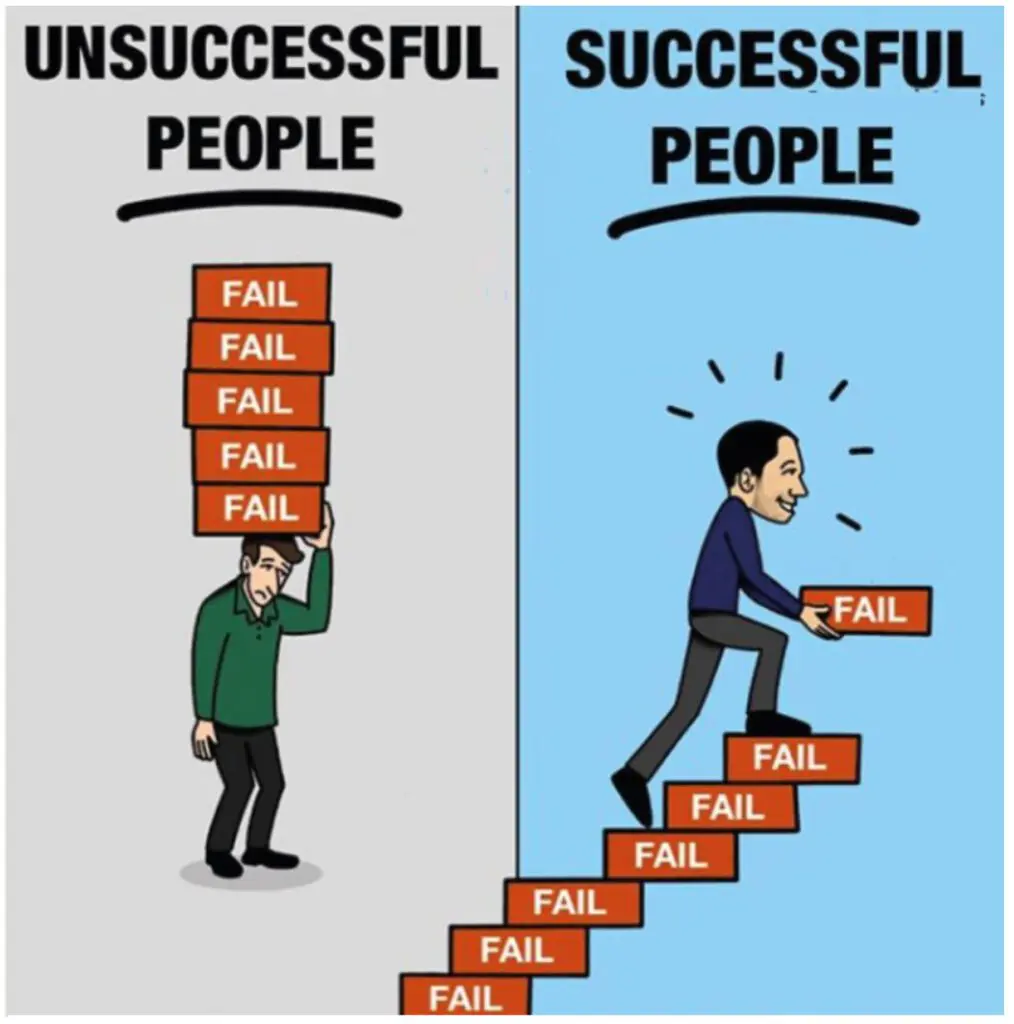
Howard and Wright embodied all three. With no investors, no certainty, and minimal resources, they turned unemployment into ownership. This is what entrepreneurship looks like in its purest form—effectual logic in action: starting with what you have, taking small steps, and leveraging partnerships and feedback to build momentum. Their story also stands as a testament to capitalism at its best, a system that rewards initiative, innovation, and effort. In an open market, the power to create, serve, and adapt can transform personal challenge into shared prosperity.
Entrepreneurship, in this light, isn’t just about profit; it’s about participating in the freedom to build something of your own. Their success also echoes Daymond John’s concept in The Power of Broke: that operating from a place of necessity can be an entrepreneur’s greatest advantage. When you don’t have excess capital, you’re forced to be resourceful, lean, and creative—and that drive becomes your competitive edge.
The Rise of the Gig and Sharing Economies
The Furlough Cheesecake story isn’t an anomaly—it’s part of a larger transformation in how people earn a living. A 2024 McKinsey & Company study found that 36% of the U.S. workforce—roughly 58 million people—now participate in freelance or independent work.
The gig economy and sharing economy—through platforms like Uber, DoorDash, Airbnb, Fiverr, and Upwork—have lowered the barrier to entry for entrepreneurship. You can now start generating income in days rather than months.
These nontraditional pathways to ownership expand opportunity for individuals who may lack access to capital, credit, or established networks. Independent contracting and freelancing teach critical business skills—budgeting, marketing, customer service, and tax compliance—the same foundations taught in business schools. Colleges and universities are taking note. Institutions like Babson College and the University of Michigan have integrated gig economy literacy into their entrepreneurship and career development programs. They recognize that today’s independent work is more than a side hustle—it’s an incubator for innovation, autonomy, and self-efficacy.
While flexibility is a major advantage, success in the gig economy also requires discipline. Freelancers must manage irregular income, plan for taxes, and cultivate a steady client base. These are the modern entrepreneurial realities—and learning to navigate them builds the kind of resilience that defines business ownership.

Franchising: A Structured Path to Ownership
Not every path to entrepreneurship begins with a blank slate. For many, the leap from furlough to freedom can start through a proven framework—franchising. This model blends independence with support, allowing individuals to own their own business while benefiting from an established brand, recognized systems, and comprehensive training from the franchisor.
The International Franchise Association (IFA) reports that U.S. franchises generated over $860 billion in output in 2023 and supported 8.7 million jobs, demonstrating that franchising remains one of the most sustainable and scalable routes to small-business ownership. It’s entrepreneurship within a structure—freedom guided by a framework.
If you’re considering ownership but unsure where to start, explore Entrepreneur Magazine’s Franchise 500 List, a research-based ranking of the top-performing and most accessible franchises across industries—from health and fitness to education, logistics, and food service.
What makes franchising particularly empowering is its accessibility. Many franchisors offer in-house financing to lower barriers to entry, while the U.S. Small Business Administration (SBA) provides loan programs that can fund up to 75% of startup costs. These financial pathways make it possible for driven individuals—not just investors—to build lasting ownership.
And the data supports it: according to the Kauffman Foundation, entrepreneurs who enter business through a franchise experience higher survival rates within their first five years than those who start independently. That’s because they benefit from shared marketing infrastructure, brand credibility, and systemized training that accelerate early-stage success.
Just like Howard and Wright, who built something lasting through creativity and courage, franchise owners step into freedom by aligning with systems that work and then adding their own local vision. Whether you create from scratch or start within a network, the goal is the same—to take control of your direction, generate value, and build something you can call your own.
Starting a Business of Your Own: Practical Steps
If you’re ready to start from scratch, the process is more accessible than ever.
- In Florida, you can register an LLC or sole proprietorship online through Sunbiz.org for less than $150.
- Use QuickBooks to manage your finances professionally—invoice clients, track expenses, and prepare for tax season.
- Develop your digital presence. Create a simple website through Wix or Squarespace, and build visibility through LinkedIn and social media.
- Seek guidance and mentorship. The SBA’s Small Business Development Centers (SBDC) and SCORE mentors offer free, expert advice on business planning, marketing, and funding.
- Continue learning. Courses at community colleges and online platforms like Coursera or edX can strengthen your skills in accounting, marketing, and management.
Research in Small Business Management supports this approach: many thriving enterprises begin as side projects that grow into full-time ventures once the owner refines the model and establishes consistent cash flow.
Work, Value, and Perspective
Let’s be clear—having a steady job and a regular paycheck is something to be grateful for. Employment provides stability, benefits, and community. But entrepreneurship provides something different: agency. It’s not for everyone, but for those operating from a place of necessity, it can be the most empowering path forward. If you want more resources, please look at this program which is also in South Florida: Urban Poverty and Business Initiative
We don’t have a right to a paycheck—it’s a blessing. And if that paycheck stops, our ability to adapt, learn, and create becomes our greatest resource.
The story of The Furlough Cheesecake is proof that necessity can spark innovation. As Daymond John writes, “Being broke forces you to be resourceful. It pushes you to maximize what you have, not what you wish you had.”
Whether you’re exploring a gig platform, researching franchises, or forming an LLC, remember: you don’t need perfect conditions to start—you need motion.
So let’s take the time we have, the skills we possess, and the lessons we’ve learned, and put them to work. Let’s build, learn, and grow. Let’s never take a paycheck—or an opportunity—for granted.
For a deeper look at these ideas and how franchising and independent work are shaping the next wave of entrepreneurs, listen to my latest podcast episode:
🎧 Business Ownership Through Franchising and Independent Contracting
Now, let’s get to work.
You may also like:
Free · 5 minutes · The Kershner Lab
Do you think like an entrepreneur?
The free Entrepreneurial Mindset self-assessment from The Kershner Lab takes five minutes and shows where your opportunity-seeking, resilience, and action habits stand today.
Take the Entrepreneurial Mindset assessment → See all assessments